History of Sikhism
A Journey of Faith, Sacrifice, and Spirituality
Introduction to Sikhism
Sikhism was founded in the late 15th century by Guru Nanak Dev Ji in the Punjab region of India. It promotes equality, humility, and service to humanity. The teachings of Sikhism emphasize the oneness of God, the importance of community (Sangat), and a life dedicated to helping others (Seva).
The Sikh Gurus—Ten in total—guided Sikhs through turbulent times, laying down principles of love, equality, and service. The Guru Granth Sahib Ji, the central religious scripture of Sikhism, is the eternal Guru, containing hymns and teachings from the Gurus and saints.
Teachings of the Gurus
The ten Gurus of Sikhism, spanning from Guru Nanak Dev Ji to Guru Gobind Singh Ji, brought forth transformative teachings that emphasized:
- Oneness of God and equality of all human beings.
- Love and respect for all religions and philosophies.
- Engagement in selfless service (Seva) and working for the welfare of the community.
- Living a truthful, honest life while engaging in hard work (Kirat Karni) and remembering God (Naam Japna).
Ten Gurus of Sikhism
Guru Nanak Dev Ji
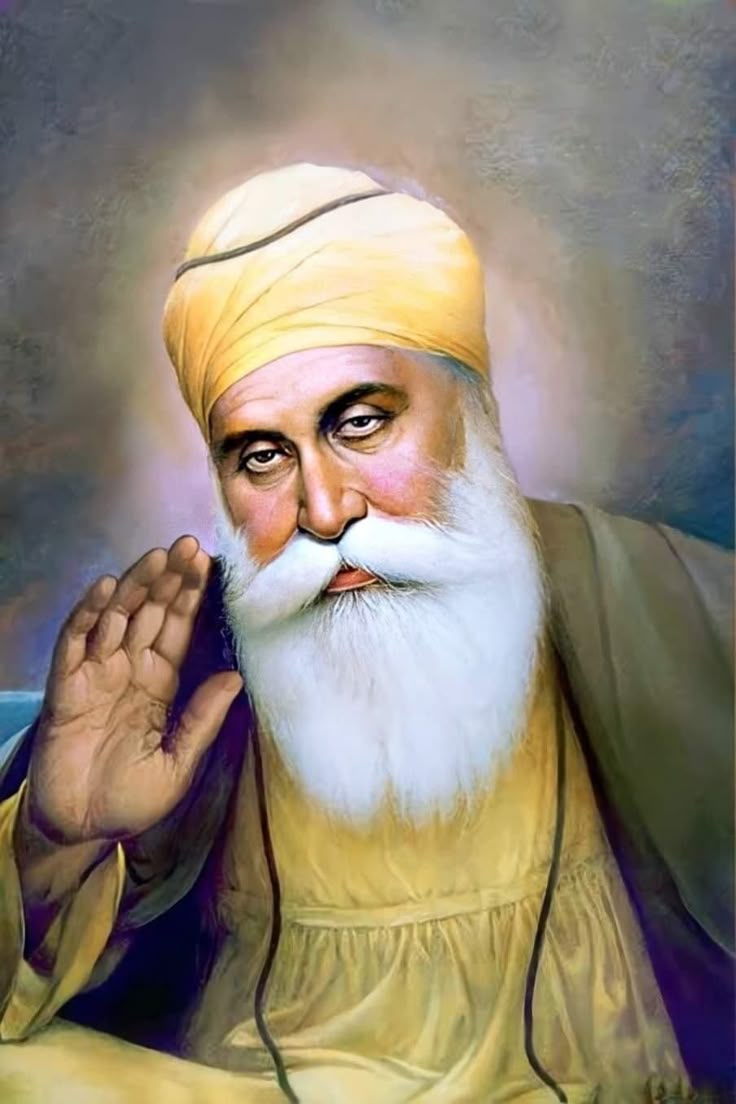
1469–1539
Guru Nanak Dev Ji was the founder of Sikhism. He emphasized the oneness of God, equality of all human beings, and the importance of devotion through prayer, selfless service, and living a truthful life.
Guru Angad Dev Ji
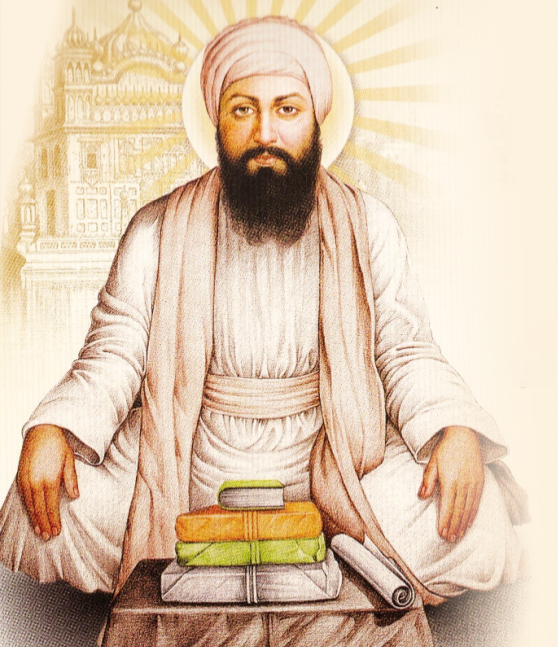
1504–1552
Guru Angad Dev Ji, the second Guru, introduced the Gurmukhi script, making it easier for people to read and understand the Sikh scriptures.
Guru Amar Das Ji
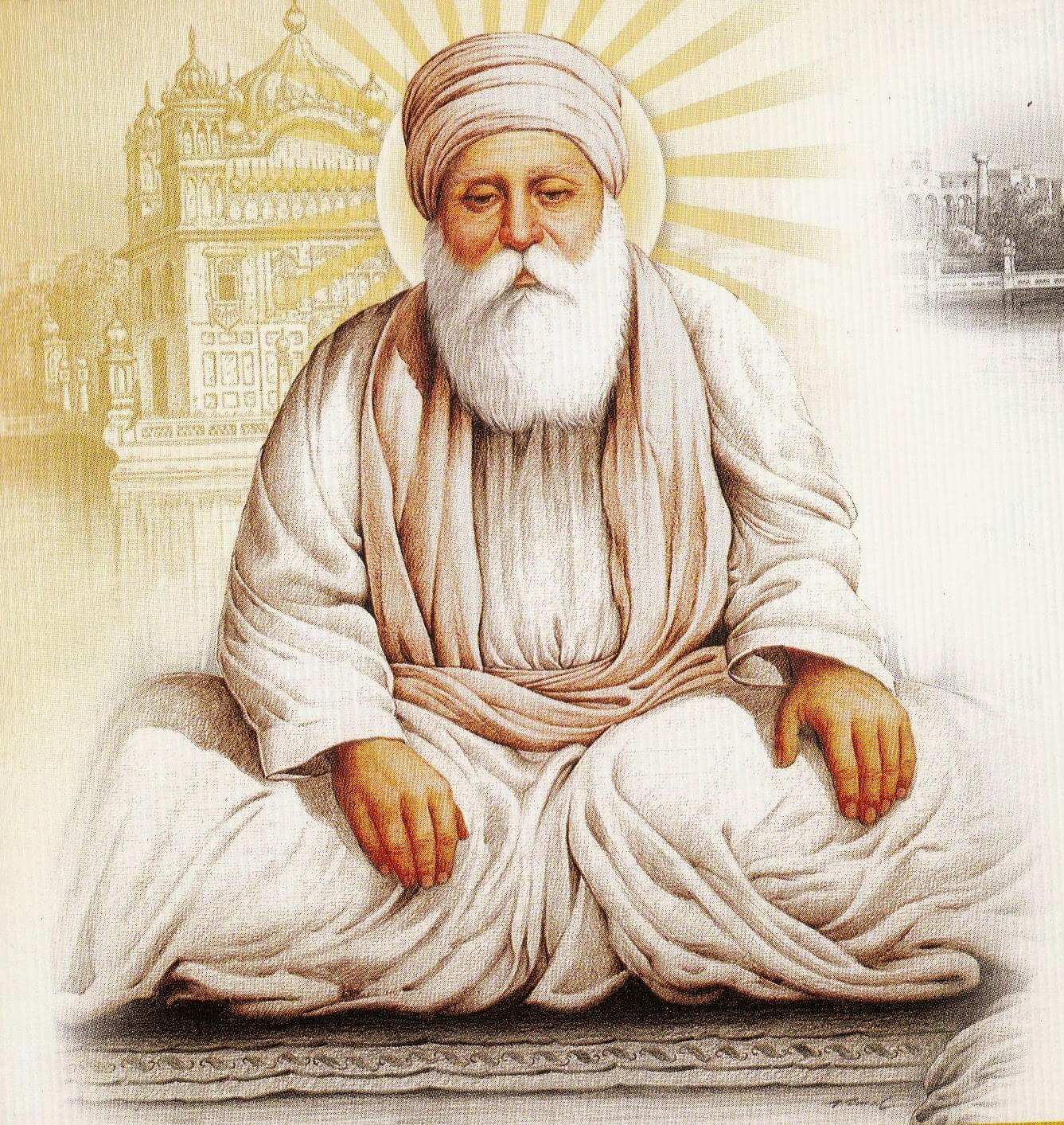
1479–1574
Guru Amar Das Ji, the third Guru, promoted equality and founded Langar, the free community kitchen at Gurdwaras. He advocated for women's rights during a time of social inequality.
Guru Ram Das Ji
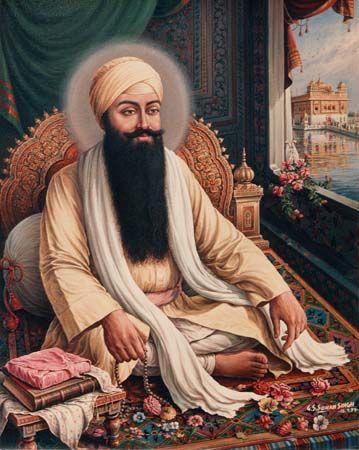
1534–1581
Guru Ram Das Ji, the fourth Guru, founded the city of Amritsar and emphasized humility, devotion, and the remembrance of God (Naam Japna).
Guru Arjan Dev Ji
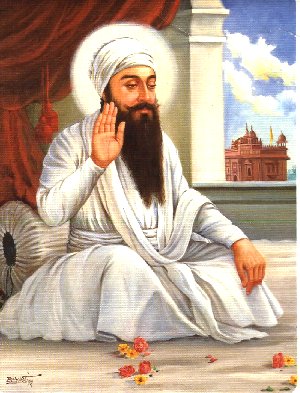
1563–1606
Guru Arjan Dev Ji, the fifth Guru, compiled the Adi Granth and constructed the Harmandir Sahib. He was the first Guru to sacrifice his life for the Sikh faith.
Guru Hargobind Ji
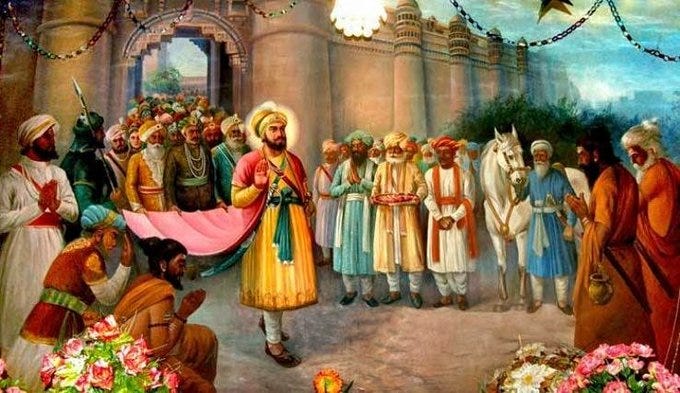
1595–1644
Guru Hargobind Ji, the sixth Guru, introduced the concept of "Miri and Piri" and established the idea of military defense while upholding spiritual integrity.
Guru Har Rai Ji
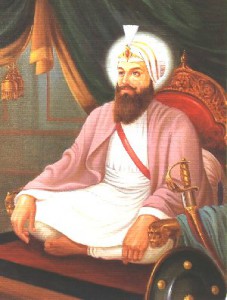
1630–1661
Guru Har Rai Ji, the seventh Guru, was known for his compassion for nature and animals. He continued to strengthen the Sikh community through education and devotion.
Guru Har Krishan Ji
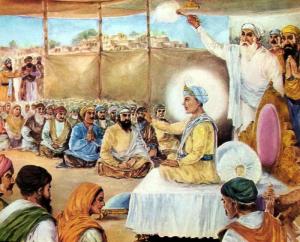
1656–1664
Guru Har Krishan Ji, the eighth Guru, became the youngest Guru at the age of five. He is remembered for his miraculous healing powers and his deep spirituality.
Guru Tegh Bahadur Ji
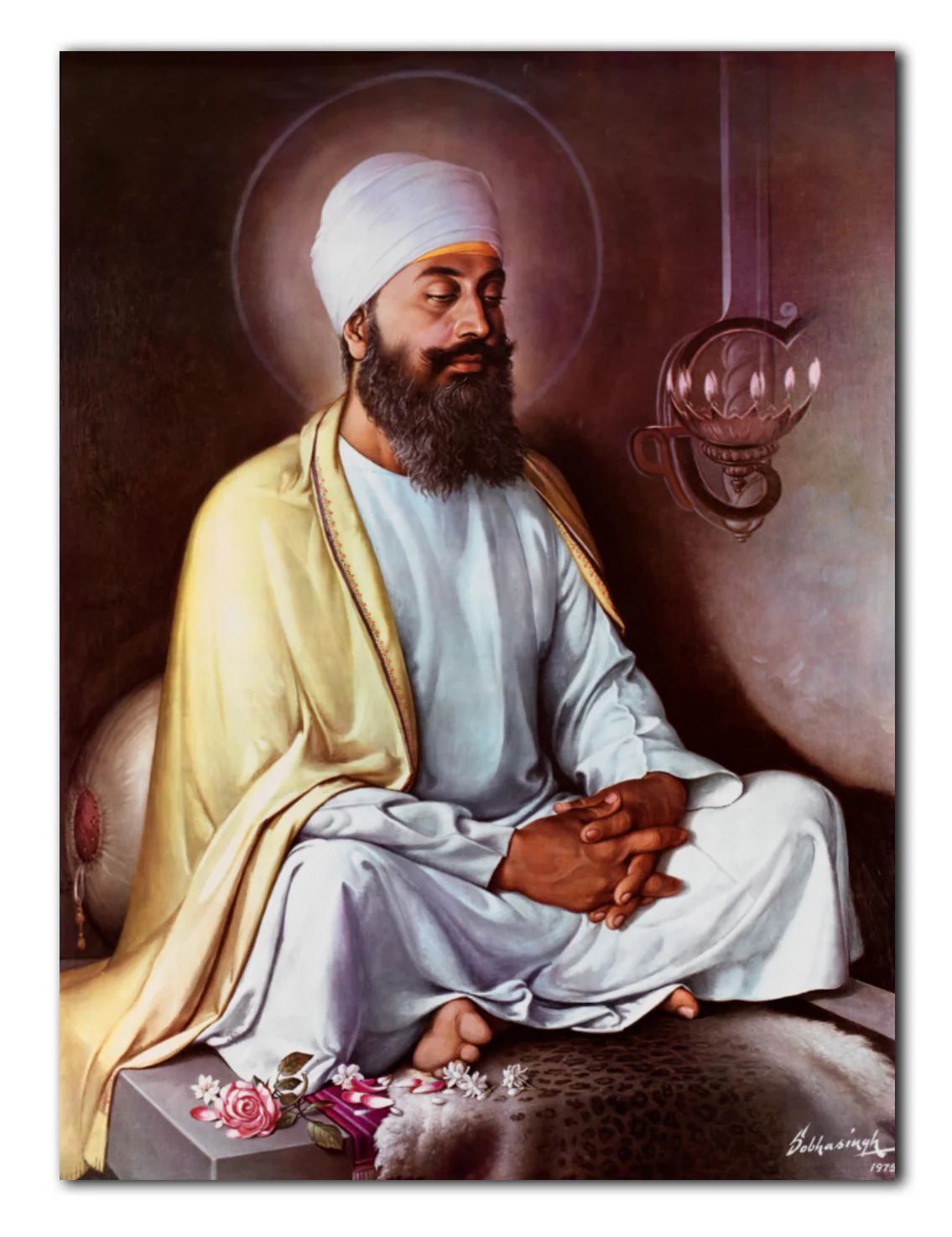
1621–1675
Guru Tegh Bahadur Ji, the ninth Guru, was martyred for defending religious freedom. His sacrifice symbolizes the protection of faith and the right to religious freedom.
Guru Gobind Singh Ji
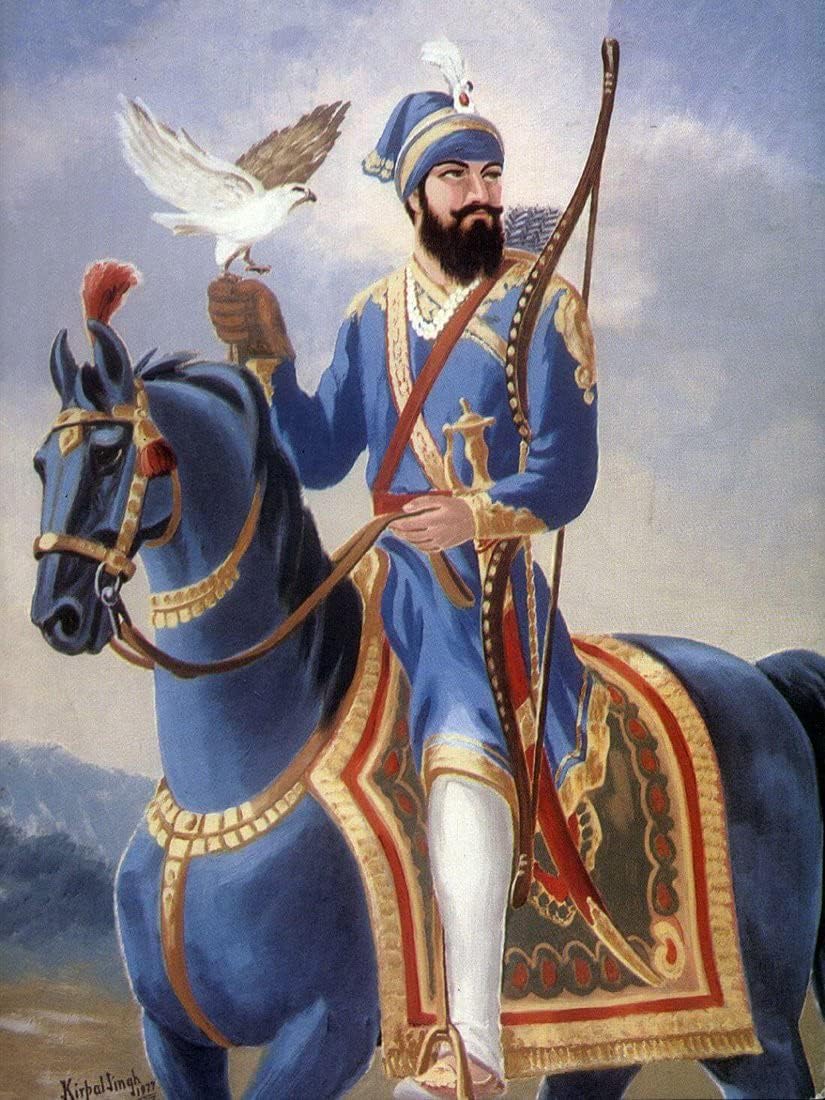
1666–1708
Guru Gobind Singh Ji, the tenth Guru, established the Khalsa Panth and completed the Guru Granth Sahib. His leadership and bravery in battle make him one of the most revered figures in Sikhism.
Sikh Warriors & Martyrs
Bhai Taru Singh Ji

1720–1745
Bhai Taru Singh Ji was a revered Sikh martyr known for his unwavering faith. He was tortured for refusing to convert to Islam and became an inspiration for Sikhs everywhere.
Baba Deep Singh Ji

1682–1757
Baba Deep Singh Ji was a legendary Sikh warrior and martyr, famous for defending the Golden Temple. Even after being mortally wounded, he continued fighting with determination and courage.
Banda Singh Bahadur

1670–1716
Banda Singh Bahadur was a key Sikh military leader who fought under Guru Gobind Singh Ji's guidance. He established the first independent Sikh state in 1709.
Maharaja Ranjit Singh
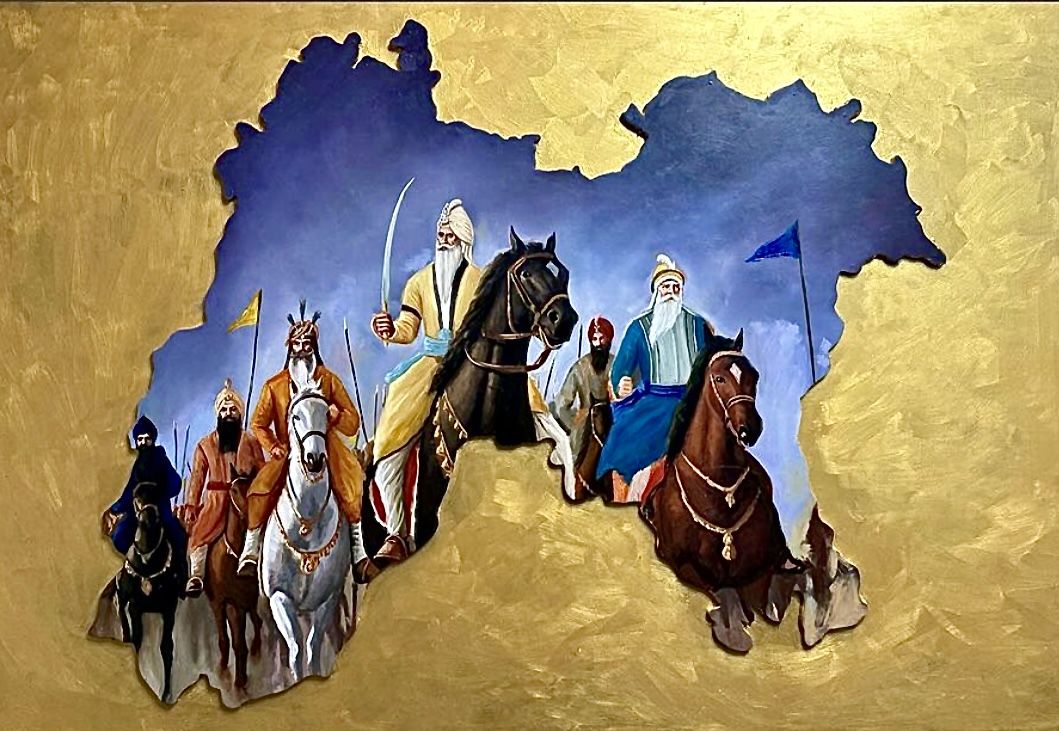
1780–1839
Maharaja Ranjit Singh was the founder and leader of the Sikh Empire, which unified Punjab and established a dominant Sikh rule. Known as the "Lion of Punjab," he was a wise and secular ruler who created a prosperous and stable empire.
The Four Sahibzades
Ajit Singh

1687–1705
Eldest son of Guru Gobind Singh Ji, martyred defending faith and righteousness.
Place of Martyrdom: Chamkor Sahib, Punjab
Jujhar Singh
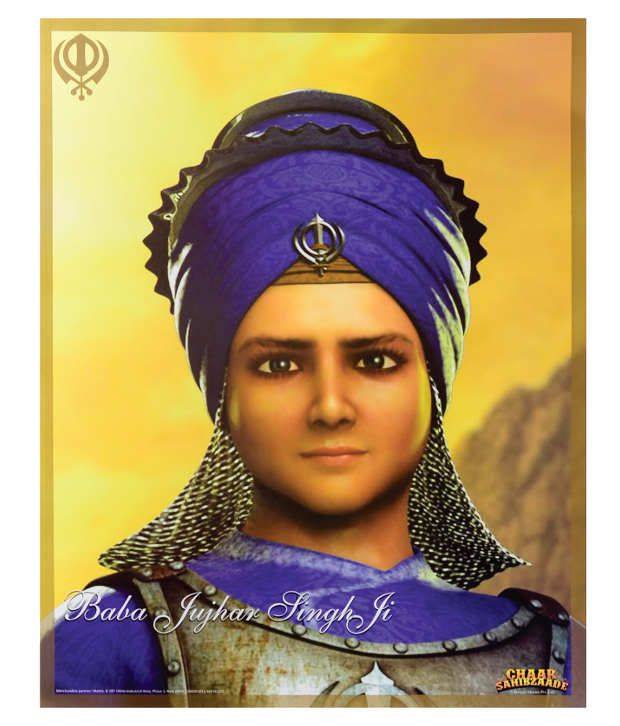
1691–1705
Second son, bravely fought alongside his elder brother in battles for justice.
Place of Martyrdom: Chamkor Sahib, Punjab
Zorawar Singh

1696–1705
Third son, remembered for his courage and unwavering faith at a very young age.
Place of Martyrdom: Sirhind, Punjab
Fateh Singh
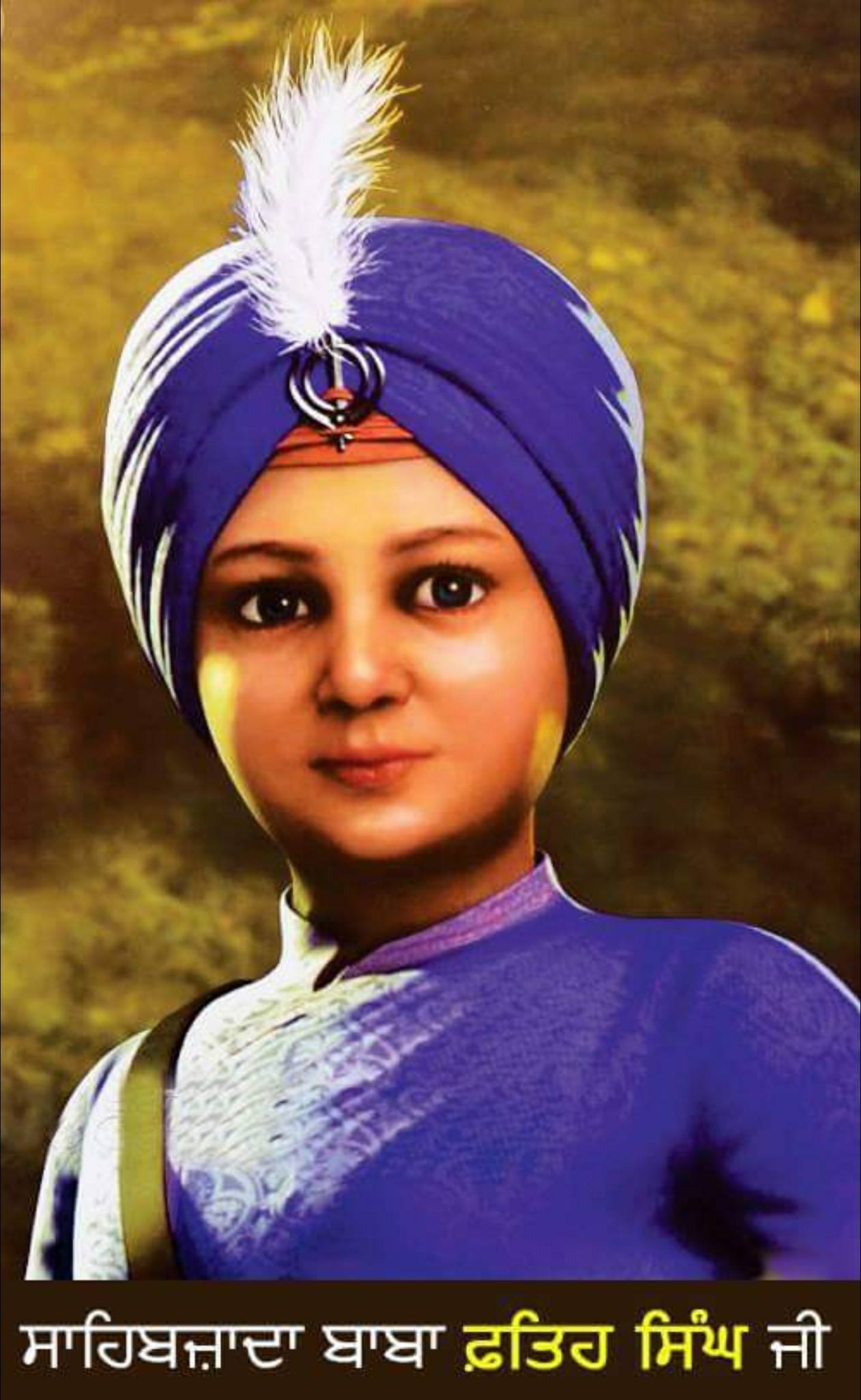
1699–1705
Youngest son, sacrificed his life for Sikhism, symbolizing ultimate devotion.
Place of Martyrdom: Sirhind, Punjab